

How Long Does a Private Investigation Take in Florida: A Practical Timeline
Last Updated: November 5, 2026
Quick Summary
Most private investigations in Florida take anywhere from a few hours to several weeks, depending on the type of case. Complex matters involving witnesses, multiple counties, or ongoing observation generally run longer than clear, well-scoped cases.
Traffic crash and traffic homicide investigations usually take several weeks to a few months.
Intake and consultation typically take 1 to 3 days, and the investigation plan takes 1 to 2 days.
Records and fieldwork are the longest stage and can take days to weeks.
The final written report usually arrives within 2 to 5 days after analysis.
Missing information at intake and slow records responses are the most common causes of delay.
Table of Contents
How Long a Private Investigation Takes in Florida, by Case Type
How Long a Surveillance Investigation Takes and Why Session Length Varies
What Causes Delays and How Clients Can Shorten an Investigation
What Private Investigators Are Allowed to Do in Florida, and What Limits Their Timeline
How Investigation Fees Relate to Timeline: What Florida Clients Pay
How Long a Private Investigation Takes in Florida, by Case Type
Most private investigations in Florida take anywhere from a few hours to several weeks, depending on what you need found. Eyewitness Investigations & Surveillance, a Florida firm led by a retired law enforcement officer with 20 years of service, handles private investigation and surveillance work across Florida. The biggest factor in how long a private investigation takes is the type of case, not the investigator's speed.
Complex cases involving witnesses, multiple counties, or ongoing observation generally run longer.
Here is a rough guide by case type:
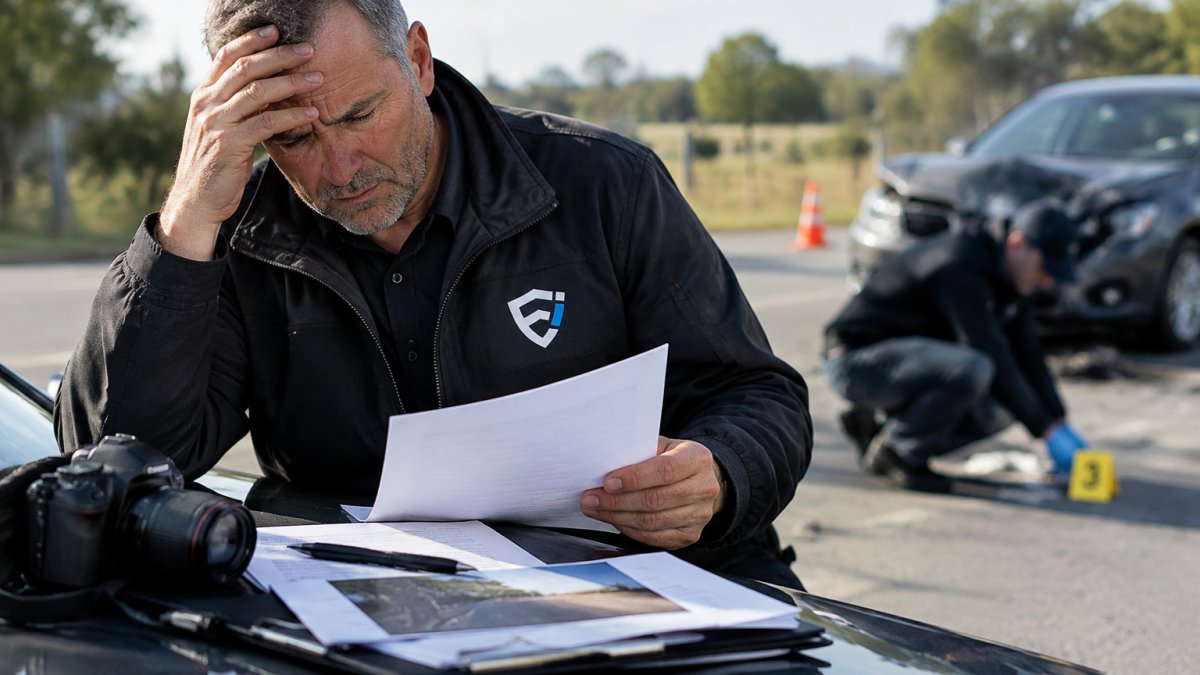
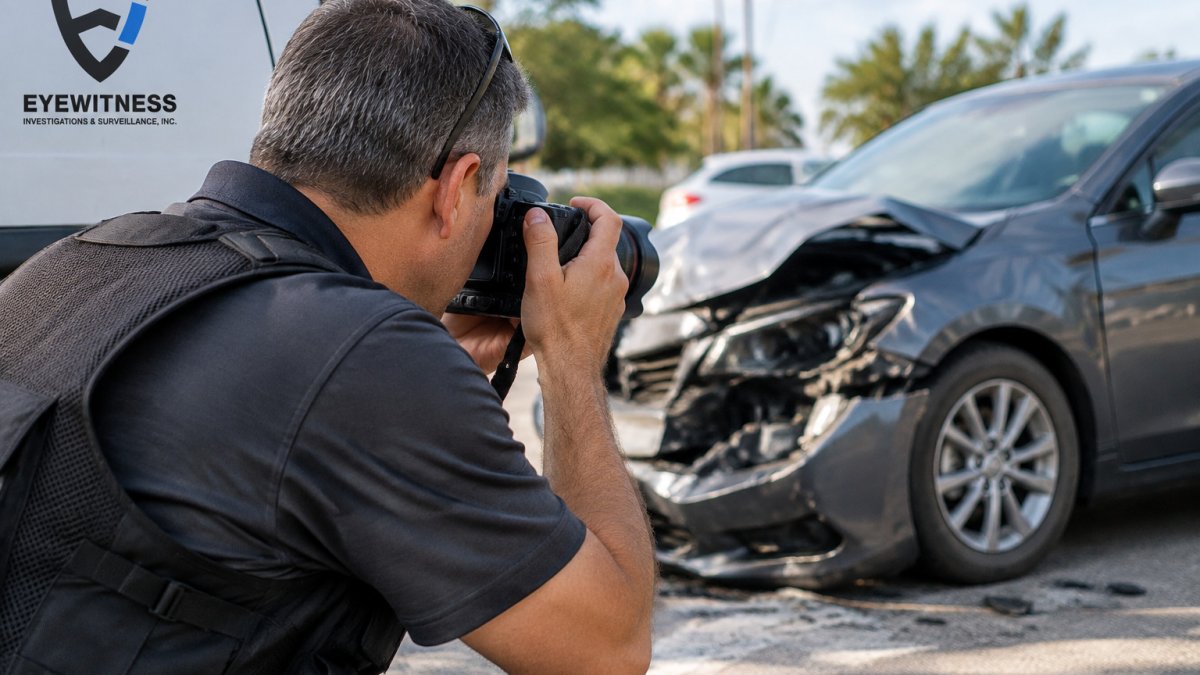
Traffic crash and traffic homicide investigations: Several weeks to a few months, since evidence and witness statements can take time to collect
A clear, well-scoped case generally moves faster than one that keeps changing.
How Long a Surveillance Investigation Takes and Why Session Length Varies
Surveillance is the part of an investigation people ask about most, and it can have a wide range of timelines. The session length and the number of sessions are two different questions, and mixing them up is the most common reason clients misjudge the timeline.

Session length depends on the goal and the subject's routine. Confirming a single event, such as a person leaving a specific address at a specific time, may take one session. Documenting a pattern of behavior, such as a workplace injury claimant who is active on weekends, usually takes several sessions spread over multiple days or weeks. Most practitioners find that surveillance is scheduled around the subject's most likely active windows, which in Florida often means early mornings, evenings, and weekends, and sometimes includes travel time between a residence and a workplace.
Surveillance timelines depend on the subject's schedule, the goal of the case, and how often the subject is observed at the relevant location. Case timing is estimated during consultation.
Watch out: many providers bill surveillance with a minimum number of hours per session. Ask about minimums, travel time, and cancellation policies before you commit, because those terms affect the total cost more than the hourly rate alone.
Florida-specific factors such as weather, holiday traffic, and cases that cross county lines can affect timing. Because these factors are outside the investigator's control, a surveillance estimate is a range and not a promise.
The Full Timeline: From Intake to Final Report
A typical Florida investigation moves through five stages. Knowing them helps you set realistic expectations.
Intake and consultation (1 to 3 days): The investigator reviews your goals, the subject's details, and any documents you already have.
Investigation plan (1 to 2 days): The team decides which records to pull and which fieldwork to schedule.
Records and fieldwork (days to weeks): This is the longest stage. Public records, court files, and agency responses set the pace.
Analysis and follow-up (several days): The investigator reviews what was found and decides whether more work is needed.
Final report (2 to 5 days): You receive a written report with dates, times, and supporting documentation.
Most clients get regular case updates during the fieldwork stage, so you are never left guessing where things stand.
The article lays out five stages, and a reader can scan the typical duration of each one.
Stage | What happens | Typical time |
Intake and consultation | Investigator reviews goals, subject details and documents | 1 to 3 days |
Investigation plan | Team decides which records to pull and fieldwork to schedule | 1 to 2 days |
Records and fieldwork | Public records, court files and agency responses set the pace | Days to weeks |
Analysis and follow-up | Investigator reviews findings and decides on more work | Several days |
Final report | Written report with dates, times and documentation | 2 to 5 days |
What Causes Delays and How Clients Can Shorten an Investigation
Delays usually come from outside the investigator's control, and understanding the common causes helps you separate a slow case from a stalled one. The most frequent delay factors are incomplete information at intake, slow responses from government and records offices, a subject whose schedule is hard to predict, weather and travel constraints, and cases where the scope keeps growing after work begins.
Records access is often the biggest single cause. Courthouse filings, agency records, and third-party responses move at their own pace, and some information can only be obtained through formal legal channels that take longer. A common pattern is a case that is ready for fieldwork but waiting on a single document, which is why a missing record can hold up an entire stage.
Subject availability matters just as much. Surveillance and interviews depend on the subject being active or reachable, and no investigator can guarantee when a subject will act or when evidence will be obtained. That is a legal and ethical limit as much as a practical one: investigators must work within lawful surveillance and privacy boundaries, and they cannot create the event they are hired to document.
You can help speed things up with a preparation checklist:
Share complete information up front. Full names, dates of birth, addresses, vehicle details, employer names, and any prior reports save intake and planning time.
Set a clear goal. Decide what question you need answered before the work starts, and write it down.
Provide documents you already have. Emails, text messages, photos, court papers, and insurance correspondence can reduce records requests.
Respond quickly to requests. A missing document or unanswered question can pause a whole stage.
Accept reasonable scope limits. Adding new targets or new questions mid-case adds time and cost.
Be available for updates. A short check-in call can confirm whether the current plan is still the right one.
Watch out: waiting too long to start is a delay you control. Early action keeps the subject's activity fresh and gives records time to come back, while a case opened months after an event may face faded memories and harder-to-obtain records.
A well-prepared client with a clear goal and complete documents typically moves through an investigation faster than one who adds information in pieces. The investigator's job is to explain what is needed at each stage; the client's job is to supply it promptly.
What a Private Investigator Does at Each Stage of the Case
A private investigator does more than watch and wait. For a parallel case, see how documenting suspected staged car accident evidence is handled. At intake, the investigator asks questions to define the case. During planning, the investigator chooses the right records and fieldwork. During fieldwork, the investigator collects evidence and documents it carefully. At the reporting stage, the investigator explains findings in plain language so you can act on them.
What Private Investigators Are Allowed to Do in Florida, and What Limits Their Timeline
Private investigators in Florida must hold a state license and follow state law, and some information can only be obtained through formal legal channels, which take longer. Check current licensing requirements with the appropriate Florida state agency before you hire anyone.
How Investigation Fees Relate to Timeline: What Florida Clients Pay
Fees in Florida usually follow one of two models: an hourly rate with a minimum, or a flat retainer for a defined scope. Longer cases cost more because they take more investigator hours. Surveillance is often billed by the hour, and travel time can add to the total.
Ask for a written estimate that lists the expected hours, any minimums, and what happens if the case takes longer than planned. For a closer look at what Florida clients pay for this kind of work, read pricing out private investigators in Florida, including surveillance. A clear estimate helps you avoid surprise bills mid-investigation.
Scheduling Your Investigation: Next Steps With Eyewitness
If you need an answer on a timeline, the first step is a consultation. A consultation can review your case, explain a realistic timeline, and provide a written estimate before work begins. You can book a free private investigation consultation to talk through your case, or request an assignment if you are ready to move forward. For a closer look at how costs track with time, read how surveillance investigator rates in Florida are set.
Frequently Asked Questions
How long does a private investigation usually take in Florida?
Private investigation timelines in Florida vary widely with the type of case and the scope of the work. Timelines are estimates rather than guarantees because records availability, subject behavior, and case scope all affect the schedule. A consultation can help set a realistic range before work begins.
Can a private investigation be completed in one day?
Whether a case can close in one day depends on the information you already have, how many sources must be checked, and whether third parties such as county offices respond promptly. Investigations that require interviews, multiple records requests, or repeated fieldwork usually take longer.
How long does it take to receive a private investigator's report?
Ask about report timing during the client consultation so you know when to expect findings, and whether interim updates are available before the final report if the case is still open.
Comments